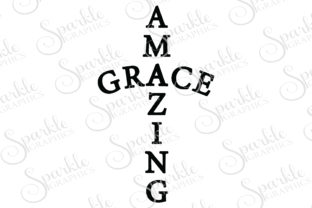
Amazing Grace: A Designer's Review of Graphics for Crafts
As a brand designer who has spent years helping local businesses define their visual identity, I approach every new design asset with a critical eye. Recently, I encountered the Amazing Grace collection, a set of digital graphics intended for the Crafts category. My goal was to determine if this asset could genuinely elevate a real-world project for a small business owner, or if it was just another generic clipart file. After testing it against various scenarios ranging from artisanal food packaging to boutique retail branding, I have formed a clear opinion on its potential.
The First Impression: Mood and Brand Personality
When I first opened the files, the immediate feeling was one of warmth and approachability. The design style of Amazing Grace suggests a brand personality that is both elegant and grounded. It does not scream for attention in a chaotic way; instead, it invites the viewer in. For a local business owner, this is crucial. Whether you are running a handmade soap shop, a cozy coffee roastery, or a floral studio, your visual language must communicate trust before a customer even speaks to you.
This particular asset feels organic yet polished. It strikes a balance between handmade charm and professional presentation. If your brand aims to be perceived as premium but accessible, Amazing Grace fits that niche perfectly. It avoids the overly stiff look of corporate templates while maintaining enough structure to support serious commercial design. It creates a mood that says, "We care about the details," which is exactly what customers want from local artisans and boutique sellers.
Real-World Application: From Packaging to Promotions
I recently simulated a rebranding project for a fictional local bakery to test the versatility of Amazing Grace. The challenge was to create a cohesive look across product labels, hang tags, and social media posts without breaking the bank. This is where the strength of a high-quality graphic design asset becomes apparent.
- Product Labels and Packaging: The clean lines and decorative elements of Amazing Grace work beautifully on circular jar labels or rectangular boxes. It adds a layer of sophistication that makes a simple cookie or candle feel like a gift. It helps establish a stronger first impression and improves shelf appeal in a crowded market.
- Promotional Materials: When designing flyers, posters, or price lists, this asset serves as an excellent hero graphic. It can anchor a layout, providing a visual hierarchy that guides the customer's eye to the most important information, such as the offer or the brand name.
- Social Media and Digital Presence: For social media managers and creative entrepreneurs, these visuals are gold. They can be used as overlays on Instagram stories, headers for website banners, or backgrounds for promotional ads. Consistency here builds customer trust and ensures your brand looks professional across all channels.
The ability to use this asset for product mockups is also significant. By placing the design on a digital rendering of a bottle or bag, you can visualize the final product before spending money on physical printing. This saves time and reduces waste, a vital consideration for any small business.
Technical Breakdown: What You Get in the Box
One of the most practical aspects of this review is understanding the technical deliverables. In the world of digital products, flexibility is key. The package includes a comprehensive set of formats designed to ensure compatibility with various cutting machines and design software.
You will receive a zipped folder containing essential files: 1 SVG, 1 DXF, 1 EPS, and 1 PNG. This variety is not just a bonus; it is a necessity for different stages of production. The SVG and DXF files are ideal for those using the Silhouette Basic Designer or Cricut Design Space, allowing for precise cutting of vinyl decals, stencils, or custom shapes. The EPS file ensures that vector graphics remain crisp at any size, perfect for large format printing like banners or signage. Meanwhile, the PNG offers a ready-to-use raster image with transparency, saving hours of editing time for quick marketing visuals.
This combination supports everything from printable design needs to intricate SVG design projects. It bridges the gap between digital creation and physical manufacturing, making it a versatile tool for the modern creative entrepreneur.
Strategic Placement: Where It Shines and Where to Pause
While Amazing Grace is a powerful tool, a good brand designer knows that context is everything. There are specific environments where this asset will thrive and others where it might fall flat.
It works best when used as a decorative brand element or a focal point in seasonal campaigns. Think of holiday-themed packaging, thank-you cards included in orders, or accent graphics on a menu board. In these areas, the design enhances the emotional connection with the customer. It adds that "special touch" that people love to share on social media.
However, caution is required in certain scenarios. If you are designing for a formal corporate environment or a luxury minimalist brand, this asset might feel too decorative. Similarly, avoid using it in areas where text density is high, such as ingredient-heavy layouts or legal information sections. If the background is low-contrast, the design may lose its impact. Furthermore, on very small labels, intricate details can become blurry or illegible. Always ensure the decoration does not compete with the core message of your brand.
Designer's Notes: Preparing for Commercial Success
Before integrating Amazing Grace into a client's project or your own small business branding, there are several practical steps to take. Testing is non-negotiable. I recommend creating real packaging mockups to see how the design interacts with different materials and lighting conditions. Check how it appears in black and white, as many print applications require monochrome versions.
Preview the asset on small labels to ensure legibility. Test it alongside various font styles—serif, sans serif, script, handwritten, and display—to find the perfect typographic harmony. If you are using Canva templates or other editorial design tools, verify that the colors align with your existing brand palette. Comparing the design with competitor packaging can also help you understand your unique position in the market.
Finally, and perhaps most importantly, confirm the commercial license. Using design assets for client work, physical product sales, or business branding requires explicit permission. Ensure you have the right to use these graphics for commercial design purposes to avoid legal issues down the line.
In conclusion, Amazing Grace is more than just a collection of images; it is a foundational piece for building a cohesive brand identity. For local business owners, boutique operators, and handmade sellers looking to elevate their professional branding, this asset offers the flexibility and aesthetic quality needed to stand out. When used thoughtfully, it transforms ordinary products into memorable experiences.