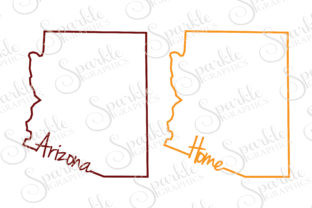
Arizona Cut File: A Graphic Design Asset for Crafts and Publishing
In my years as a digital publisher, I have learned that the difference between a blog that feels amateurish and one that commands authority often comes down to a single visual element. It is not just about the words; it is about the graphic design asset that frames them. Recently, I evaluated a specific download titled Arizona Cut File before integrating it into a real content publishing workflow. My goal was to determine if this asset could elevate our editorial design, support our brand identity, and improve reader trust across our website and social channels.
The first impression of Arizona Cut File is one of distinct character. Depending on the specific rendering, it carries an editorial mood that can range from rustic and lifestyle-focused to modern and clean. For a content creator looking to establish a strong visual hierarchy, this asset offers a decorative yet professional touch that works well in niches like travel, home decor, or creative entrepreneurship. It does not feel like generic clip art; instead, it suggests a curated aesthetic that readers immediately recognize as intentional. When used correctly, this graphic helps create a cohesive look that signals quality to anyone visiting your site.
Integrating Visual Assets into Real Publishing Workflows
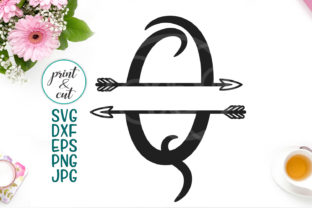
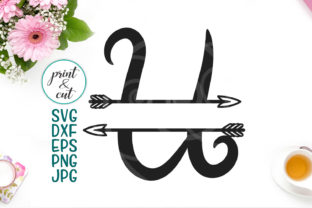
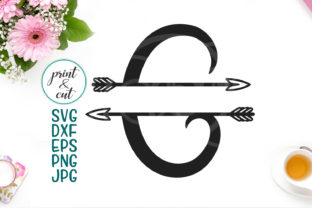
Imagine you are preparing a week's worth of content for your affiliate blog or online education platform. You need featured images for your articles, eye-catching Pinterest pins, and perhaps a lead magnet for your newsletter subscribers. This is where the versatility of Arizona Cut File becomes apparent. The product description notes that you will receive a zipped folder containing 1 SVG, 1 DXF, 1 EPS, and 1 PNG. These file types are crucial for a publisher who needs to scale graphics for everything from massive website headers to small mobile thumbnails.
The inclusion of vector formats like SVG and EPS means you can resize the design without losing any sharpness. This is essential for maintaining a polished appearance on high-resolution displays while ensuring fast load times when compressed for web performance. While the original packaging mentions compatibility with cutting machines like Silhouette and Cricut, the true value for a digital publisher lies in the ability to use these files within Canva templates or other design software to create custom social media graphics and digital guides.
Elevating Blog Graphics and Editorial Layouts
When we talk about editorial design, we are discussing how text and visuals work together to guide the reader's eye. Arizona Cut File serves as a powerful anchor point in this process. I tested placing this asset in various positions to see how it affected the overall layout. In article headers, it acts as a visual break that re-engages the reader after a long introduction. On category thumbnails, it provides immediate recognition, helping users identify your niche at a glance.
For content marketing efforts, consistency is key. By using Arizona Cut File as a recurring motif in your website header or sidebar widgets, you strengthen your brand identity. It creates a visual shorthand that tells your audience what to expect. Whether you are creating downloadable printables, worksheets, or eBook covers, having a consistent graphic style makes your digital products look more premium. This perceived value can directly influence conversion rates when users decide to download a free resource or purchase a paid course.
Boosting Performance on Social Media and Pinterest
In the world of affiliate marketing and social media graphics, the click-through rate often depends on the initial visual impact. Arizona Cut File has the potential to make your Pinterest pin stand out in a crowded feed. The unique shape and style of the cut file allow for creative composition that draws the eye away from standard stock photography. When paired with bold headline text, the graphic supports a clear message that encourages users to click through to your website.
I also found this asset effective for creating newsletter graphics. A banner image featuring Arizona Cut File can set the tone for your email campaign, making it feel less like a mass broadcast and more like a personalized invitation. This level of care in design fosters better reader trust and increases the likelihood that subscribers will open your emails regularly. For creative entrepreneurs selling digital downloads, using this asset in your promotional ads can help convey a sense of craftsmanship and attention to detail.
Strategic Placement and Design Considerations
While Arizona Cut File is a versatile tool, it requires thoughtful application to ensure it enhances rather than distracts from your content. There are specific scenarios where this design asset shines, and others where caution is required.
Where it works best:
- Hero images: Use the full resolution PNG or vector version to create a stunning top-of-page banner that sets the mood for your homepage.
- Article thumbnails: The graphic adds a pop of personality that differentiates your posts in search results and social feeds.
- Content upgrades: Pair the design with checklists or planners to create a visually appealing lead magnet.
- Social media previews: Customize the background color to match your brand palette for Instagram stories or Facebook posts.
Where to use carefully:
- Small mobile thumbnails: If the design is too intricate, it may become muddy on a small screen. Test the legibility before finalizing.
- Text-heavy blog images: Avoid cluttering the space with too much text over the graphic, which can reduce readability.
- Low-contrast backgrounds: Ensure the colors of Arizona Cut File stand out against your website's background to maintain accessibility.
- Corporate or serious professional niches: If your brand voice is strictly formal, ensure the style of the cut file aligns with your minimalist visual system.
Practical Publisher Notes for Implementation
Before committing to using Arizona Cut File across your entire site, I recommend running a few practical tests. First, preview the asset inside a real blog layout. Does it look balanced next to your serif font headlines? How does it pair with sans-serif body text? Try placing it beside script fonts or handwritten styles to see if it complements your typography choices. You might find that it pairs beautifully with a modern display font but clashes with a traditional typeface.
It is also vital to check contrast and readability. Place the graphic on both light and dark backgrounds to ensure it remains visible. Additionally, review the file size for web performance. Even though the source files are vectors, the exported PNGs must be optimized so they do not slow down your page load speed. Compress images properly using tools designed for web optimization to maintain a fast user experience.
Finally, confirm your commercial license. As a publisher monetizing your content through ads, affiliates, or digital products, you must ensure you have the right to use the design commercially. A commercial license allows you to integrate Arizona Cut File into your digital products and small business branding without legal concerns. Always verify the terms provided by the creative marketplace or designer before launching your project.
Ultimately, Arizona Cut File is more than just a craft supply; it is a functional design asset that can significantly improve your visual communication. By treating it with the same rigor as a professional photo shoot, you can create a website presentation that feels polished, clickable, and trustworthy. Whether you are building a new site or refreshing an existing one, the right graphic can make all the difference in how your content is received.