Chubby Cheeks: A Designer's Honest Review for Real Embroidery Work
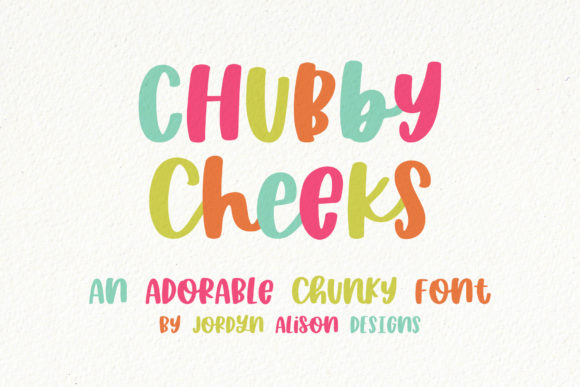
When I first opened the Chubby Cheeks file, my initial reaction wasn't about stitch counts or technical specifications. It was purely emotional. This font has a distinct personality that immediately suggests warmth, playfulness, and approachability. As an experienced designer who spends hours evaluating machine embroidery designs for clients and my own shop, I know that a font is only as good as its ability to translate from screen to fabric. Chubby Cheeks is a fun hand-lettered handwritten font with a thick weight that makes it visually striking. While the product description highlights its utility for cutting with vinyl or paper, I wanted to dig deeper into how this embroidery file performs when actually stitched on various materials.
The First Impression: Mood and Visual Weight
The moment you look at Chubby Cheeks, you see a design that demands attention without shouting. The letters are thick and rounded, creating a soft, inviting aesthetic that feels perfect for branding, social media posts, and personalized gifts. In the world of Fonts, specifically within the Script Amp category, finding something that balances readability with artistic flair can be difficult. This design succeeds because it avoids the overly delicate nature of many script fonts that often get lost in stitching.
The "chubby" nature of the characters gives the text a tactile quality even before the needle touches the fabric. It creates a mood of comfort and joy, which is exactly what you want when designing for baby items, nursery decor, or holiday gifts. However, that same thickness presents a specific challenge for the embroiderer. When we talk about stitch density, we are talking about how much thread is packed into a given area. Because these letters are so thick, they require significant coverage. If not managed correctly, the heavy fill stitches can cause puckering or make the fabric feel stiff, especially on lightweight materials.
Real-World Application: From Design to Finished Product
To truly understand the potential of Chubby Cheeks, I ran through a mental simulation of several real-life projects. Imagine preparing a custom embroidered tote bag for a local craft fair. You want something that customers will grab off the rack because it looks professional yet charming. Chubby Cheeks would shine here. The bold lines stand out beautifully against canvas or cotton blends, making it ideal for tote bag design where visibility is key.
Now, consider a small business owner launching a line of baby clothes. They need a logo that conveys safety and softness. Using Chubby Cheeks for a sweatshirt embroidery project on a onesie could be a winner. The thick strokes mimic the soft edges of a child's toy or a plush blanket. However, if you were designing a patch for a denim jacket, you might find the curves too wide for a standard 4x4 hoop unless you adjust the placement. The versatility of this digital embroidery file allows it to fit into commercial embroidery projects ranging from aprons to pillow covers, provided you respect the physical limitations of the machine.
I also thought about the handmade product market on platforms like Etsy. Buyers often look for uniqueness. A personalized gift featuring this font feels bespoke. Whether it is a wedding gift with names stitched on a towel or a holiday embroidery project for family stockings, the handwritten style adds a human touch that machine-made prints simply cannot replicate. It elevates the perceived value of the item, making the buyer feel they are purchasing something crafted with care.
Navigating the Challenges: Where Caution is Required
While Chubby Cheeks is visually appealing, no design is without its pitfalls. As a reviewer, I must point out where this font requires careful consideration. One of the primary concerns is the use of small hoop sizes. Because the letters are thick, squeezing them into a tight space can result in crowding. The details might get lost, or the text might become illegible if the spacing isn't adjusted. For tiny lettering on a cap brim or a small embroidered patch, you might need to simplify the design or choose a different font entirely.
Fabric choice is another critical factor. Textured fabrics, such as heavy waffle-knit towels or rough burlap, can obscure the smooth curves of Chubby Cheeks. Similarly, thin or stretchy fabrics like jersey knits require extra stabilization to prevent the heavy fill stitch areas from distorting the garment. If you are working with dark fabric, you must ensure your thread colors have enough contrast. A light-colored thread on a black background might look muddy if the stitch density is too low, while a dark thread on a dark background might disappear completely.
Curved surfaces, such as caps or hats, present another hurdle. The uniform thickness of the letters might not follow the curvature of the hat perfectly, leading to visual distortion at the top or bottom of the text. In these cases, testing the design on a scrap piece of similar fabric is non-negotiable. You need to inspect small details and check whether the design works for both personal and commercial projects before committing to a full production run.
Practical Notes for the Embroidery Designer
If you are planning to use Chubby Cheeks for your next embroidery project, here are some practical steps to ensure success. First, always test the design on scrap fabric first. This allows you to gauge the stitch density and see how the applique design elements (if any) interact with the base material. Check your thread color contrast by reviewing the design in black and white mockups; sometimes a color that looks vibrant on screen fails to pop on fabric.
Review the stitch density settings in your software. Thick fonts often benefit from a slightly lower density to prevent the fabric from becoming rigid, but you must balance this with the need for coverage. Confirm the hoop size required for your specific layout. If you are creating a printable mockup for an Etsy listing, ensure the dimensions match the actual finished product size to avoid customer disappointment. Use proper stabilizer to support the heavy threads, especially on stretchy fabrics.
Finally, confirm licensing before selling finished items or digital products. While Chubby Cheeks is described as perfect for branding and SVG designs, you must verify if the license covers commercial use for embroidered goods. Some fonts intended for digital use may have restrictions on physical manufacturing. By following these guidelines, you can leverage the unique charm of Chubby Cheeks to create high-quality craft business items that customers love.
Final Thoughts on Chubby Cheeks
In conclusion, Chubby Cheeks is a strong contender for designers looking to add a touch of whimsy and professionalism to their work. Its thick, hand-lettered style makes it a standout choice for branding, social media posts, and SVG designs, but it shines brightest when translated into tangible embroidery projects. Whether you are a hobbyist making gifts or a small shop owner producing boutique products, this font offers a reliable foundation for creating memorable pieces. Just remember that successful embroidery is about more than just the file; it is about understanding the interplay between thread, fabric, and machine. With the right preparation, Chubby Cheeks can help you deliver finished products that exceed expectations.