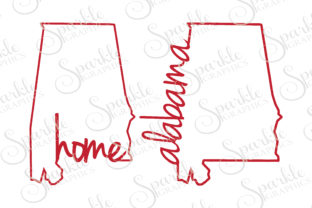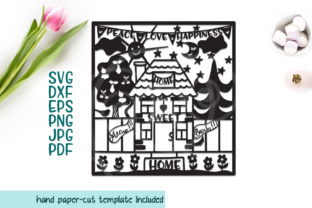
Home Sweet Home, Papercutting Template for Graphics and Crafts
In the world of digital publishing, the difference between a casual blog post and a polished editorial feature often comes down to one thing: visual hierarchy. As a designer who has spent years building content ecosystems for affiliate sites and online educators, I know that readers judge credibility in the first three seconds. That is why when I encountered Home Sweet Home, Papercutting Template, I immediately began testing it within my own workflow to see if it could elevate the aesthetic of our lifestyle and home decor sections.
This graphic design asset brings a distinct tactile quality to digital screens. Unlike flat vector illustrations that can sometimes feel sterile, this papercutting style introduces depth and texture through its intricate cut-out lines. It creates an immediate mood that feels warm, inviting, and artisanal. For publishers focusing on interior design, DIY tutorials, or cozy lifestyle niches, this asset does more than just decorate; it signals a high level of care and attention to detail that builds reader trust.
From Digital File to Editorial Asset
One of the most compelling aspects of Home Sweet Home, Papercutting Template is its versatility as a digital product. The description notes that This is a perfect design for hand or machine cutting like Cricut, Silhouette, Cameo or laser cut, using different materials paper, vinyl, wood etc. While many creators stop at the physical craft stage, savvy publishers recognize the dual potential here. You can use the original vector files to create stunning digital graphics for your website, or you can produce physical products that serve as lead magnets.
The included ZIP folder contains the necessary layers to manipulate this design asset for various publishing needs. Whether you are creating a featured image for a new article on sustainable living or designing a cover for a downloadable PDF guide, the clean lines of the papercut style translate beautifully to screen. It bridges the gap between crafts and professional graphics, allowing you to maintain a cohesive brand identity across both your physical shop and your digital content hub.
Integrating Visuals into Real Publishing Workflows
When I integrated this template into a recent content marketing campaign, the results were telling. The primary goal was to increase click-through rates on Pinterest and improve the perceived value of our newsletter sign-up sheet. We used the papercut elements to frame headlines and create category thumbnails. The result was a sharper visual hierarchy that guided the eye naturally toward the call-to-action buttons.
Here is how this asset fits into specific content strategies:
- Pinterest Pins: The intricate details of the papercut style stand out in crowded feeds. When paired with bold typography, it creates a unique look that stops the scroll, offering a fresh alternative to standard stock photography.
- Newsletter Headers: A banner featuring the Home Sweet Home motif sets a welcoming tone right from the inbox. It reinforces the "home" aspect of your brand without overwhelming the text content.
- Digital Guides and Worksheets: Using this as a background element for content upgrades adds a layer of sophistication. It transforms a simple checklist into a premium-looking resource that users feel excited to download.
- Social Media Graphics: For Instagram stories or Facebook posts promoting affiliate products, the artistic nature of the design adds emotional weight to the sales pitch.
Enhancing Brand Identity and Reader Trust
A consistent visual language is the backbone of successful small business branding. When your website header, blog posts, and social media channels all share a similar aesthetic DNA, you create a sense of reliability. Home Sweet Home, Papercutting Template supports this by offering a distinct style that is neither too corporate nor too chaotic. It strikes a balance that works well for creative entrepreneurs who want to appear professional yet approachable.
The asset's ability to convey a "handmade" feeling even in a digital format helps humanize the brand. In an era of AI-generated images, a design that mimics the imperfections and artistry of real paper cuts feels authentic. This authenticity is crucial for affiliate marketing success, as readers are more likely to trust recommendations from a source that appears genuine and curated.
Strategic Placement and Design Considerations
While this is a powerful tool, it must be deployed with editorial discipline. The complexity of the papercut design means it requires careful consideration regarding context and contrast.
Where it shines:
- Hero Images: Large backgrounds where the detail can be appreciated.
- Editorial Accents: Borders or dividers that break up long-form text.
- Downloadable Resources: Covers for eBooks, printables, or checklists.
- Category Icons: Distinctive visuals for site navigation menus.
Where to exercise caution:
- Small Mobile Thumbnails: On narrow screens, fine details may disappear or blur. Always test the legibility of the design when scaled down.
- Text-Heavy Areas: Avoid placing this asset behind dense blocks of copy, as the intricate lines can compete with the text for attention.
- Corporate or Minimalist Niches: If your brand relies on stark minimalism or serious financial data, this decorative style might feel too playful or soft.
Practical Publisher Notes for Implementation
To get the most out of this commercial design asset, I recommend running a few technical checks before full deployment. First, preview the file inside your actual website header or blog layout. How does it interact with your existing navigation bar? Does it clash with your current color palette?
Typography pairing is also critical. I found that this papercut style pairs exceptionally well with modern serif fonts for headlines, which echo the classic feel of the cut lines. However, it also works with clean sans-serif fonts for body text to ensure readability. Try placing the graphic beside script or handwritten fonts to see if they complement the artistic vibe, but avoid over-clashing with other display styles.
Don't forget performance optimization. Since these are often layered files, ensure you export the final web versions correctly compressed to maintain fast load times. Slow pages kill conversion rates, so balancing high-quality visuals with efficient file sizes is non-negotiable.
Finally, always review your commercial license terms. Ensure you have the rights to use the design on monetized websites, paid content products, and affiliate pages. Most creative marketplaces offer broad licenses, but verifying this protects your digital assets and ensures peace of mind for your business operations.
Ultimately, Home Sweet Home, Papercutting Template is more than just a download; it is a strategic tool for elevating your content presentation. By thoughtfully integrating this creative design into your editorial strategy, you can create a digital experience that feels personal, polished, and professionally crafted.