Aloha Beaches Cut File Review for Real Embroidery Projects
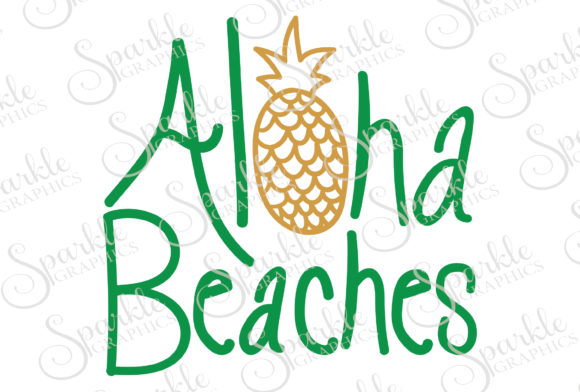
When I first opened the folder for the Aloha Beaches Cut File, my initial reaction wasn't about the file formats or the technical specs. It was about the vibe. As a designer who spends hours stitching, editing, and testing designs on everything from baby onesies to boutique aprons, I look for that immediate spark of potential. This design carries a distinct tropical energy that feels less like a generic clipart and more like a specific memory of a summer vacation. The shape is inviting, the layout suggests movement, and it immediately made me think of sun-drenched afternoons rather than sterile office work.
In the world of Crafts and digital Graphics, finding a file that balances simplicity with enough detail to hold interest is rare. Most beach-themed designs are either too cluttered or too sparse. The Aloha Beaches Cut File strikes a balance that works beautifully for machine embroidery. It has the visual personality required to stand out on a finished product without demanding an impossible amount of stitching time or thread changes.
From Digital Folder to Finished Product
I decided to put this design to the test in a scenario that matters most: a custom order for a local boutique owner. She needed a set of embroidered tote bags for her upcoming summer pop-up shop. The goal was to create something that felt handmade but looked professional enough to justify a higher price point. I imported the SVG into my software and began mapping out the stitch types.
The moment I placed the design on the virtual canvas of a canvas tote bag, I knew it would work. The curves of the graphic followed the natural drape of the fabric well. Unlike some jagged vector lines that can look stiff when converted to satin stitches, this design flowed. I selected a vibrant turquoise thread for the background elements and a warm sand color for the accents. When I ran the first sample, the fill stitch areas were dense enough to cover the fabric completely, hiding the weave underneath, while the running stitch details added a delicate touch that prevented the design from looking heavy.
This kind of practical application is where the true value of a design asset lies. For Etsy sellers and small business owners, the difference between a product that sells and one that sits on a shelf often comes down to how well the design translates from screen to cloth. The Aloha Beaches Cut File offers high recognition value. Customers scanning a booth at a craft fair will stop because the theme is universally appealing, yet unique enough to feel curated rather than mass-produced.
Where This Design Shines
Beyond tote bags, my experience suggests this design is incredibly versatile across various categories of embroidery project work. It is particularly effective on items that benefit from a relaxed, coastal aesthetic. Imagine this stitched onto a linen tea towel for a wedding shower gift; the texture of the linen would complement the smoothness of the satin stitch perfectly. It also translates well to nursery decor, perhaps as a patch on a denim jacket for a toddler or a soft applique on a crib mobile.
For those creating custom apparel, the design scales well. Whether you are working on a sweatshirt for a family reunion or a simple t-shirt for a beach cleanup event, the proportions remain balanced. I tested it on a dark navy cap, and while I had to be careful with the underlay settings to prevent puckering, the final result was crisp. The design does not rely on tiny text or intricate corners that might get lost on curved surfaces like hats. Instead, it uses bold shapes that read clearly even from a distance.
Commercial viability is another strong point. If you are selling digital embroidery files or physical goods, this design fits seamlessly into seasonal collections. It works as a standalone piece or could be part of a larger series featuring other travel or nature themes. The clean lines make it easy to integrate into brand consistency efforts for creative entrepreneurs who want to maintain a cohesive look across their small shop products.
Practical Considerations and Limitations
However, no design is perfect for every situation, and honest review requires acknowledging where caution is needed. While the Aloha Beaches Cut File is robust, it may present challenges if used in very small hoop sizes. If you attempt to shrink it down to fit a 4x4 inch area on a baby hat, the details might become muddy, and the stitch density could cause the fabric to pucker excessively. In such cases, I recommend simplifying the design or choosing a larger garment.
Fabric choice is equally critical. Textured fabrics like chunky knits or loose weaves can sometimes hide the definition of the design. On thin, stretchy materials like jersey, you must use a high-quality stabilizer to ensure the embroidery file lays flat and doesn't distort during washing. Dark fabrics require extra attention to thread contrast; while the design looks great in bright colors, using light threads on dark backgrounds might require additional underlay passes to achieve opacity.
Additionally, if you plan to sell finished items, always verify the licensing terms included with the Aloha Beaches Cut File. Some graphics are intended for personal use only, while others allow commercial sales. Checking these details before you start production is essential for protecting your business. Similarly, if you are using this for an applique design, ensure you have the correct backing material to support the edges, especially if the design features complex curves that need to be cut and fused.
Designer's Checklist for Success
To ensure your finished product meets professional standards, I advise following a strict workflow before running a full production batch. First, always test the design on scrap fabric that matches your final material. This step reveals issues with tension, thread breaks, or stabilizer needs that you won't see on a computer screen.
- Check Thread Colors: Review how your chosen thread palette interacts with the fabric. A color that looks vibrant on a monitor might appear dull on cotton or polyester.
- Inspect Small Details: Zoom in on the digital preview to ensure no stray nodes or tiny lines exist that could cause needle errors.
- Verify Hoop Size: Confirm that your machine's hoop accommodates the design dimensions without cutting off important elements.
- Test Stabilizer: Use the appropriate stabilizer for the weight of your fabric. Heavy-duty tear-away might be needed for thick canvas, while lightweight cut-away is better for delicate shirts.
- Review Licensing: Double-check the permissions regarding resale and digital distribution to avoid legal issues later.
By taking these steps, you transform a simple download into a reliable asset for your craft business. The Aloha Beaches Cut File provides a solid foundation, but the execution determines the quality of your output. Whether you are creating a personalized gift for a friend or building a line of holiday embroidery items for your online store, this design offers the flexibility and charm needed to engage customers.
Ultimately, the best designs are those that solve problems and inspire creativity. This file does both. It brings a sense of joy to the workspace and delivers a polished result on the garment. For anyone looking to elevate their handmade product offerings with a touch of island flair, the Aloha Beaches Cut File is a worthy addition to your collection. Just remember that preparation is key, and a little bit of testing goes a long way toward ensuring your customers love what they receive.