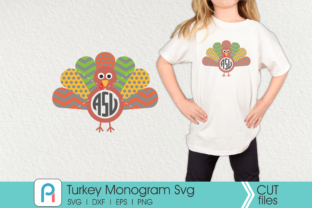
Turkey Monogram: A Designer's Review for Real Embroidery Projects
When I first opened the download folder for the Turkey Monogram, my immediate thought wasn't about the file formats or the zip structure. It was about where this design would actually live in the real world. As someone who has spent years evaluating digital assets for client work and personal craft businesses, I know that a pretty vector graphic does not always translate into a beautiful stitched piece. The transition from screen to fabric is where many designs fail, often due to poor stitch density or details that simply disappear under the needle.
The Turkey Monogram arrives as a versatile set of graphics intended for cutting machines, printing, and software integration. However, for the embroidery designer looking to turn this into a tangible product, the question becomes: how does it hold up when converted into stitches? This review breaks down exactly how this design performs in high-stakes scenarios like custom apparel, boutique merchandise, and personalized gifts.
First Impressions: Mood and Visual Personality
The Turkey Monogram exudes a specific kind of warmth. It feels inherently festive without being overwhelming. Unlike generic clip art that can look stiff or dated, this design suggests a handcrafted vibe that resonates with the current market for handmade goods. The layout balances the whimsical nature of a turkey silhouette with the structural integrity required for a monogram. It creates a mood of autumnal comfort, making it an instant fit for holiday-themed projects.
In terms of visual personality, the design feels approachable yet professional. It doesn't scream "craft fair bargain"; instead, it whispers "thoughtful gift." This distinction is crucial for small business owners and Etsy sellers who need their finished products to command a higher price point. When you are selling a handmade item, the design must convey quality before the customer even touches the fabric. The clean lines and balanced proportions of the Turkey Monogram suggest that it will render well on various surfaces, provided the digitization process respects the original vector geometry.
Real-World Application: From Screen to Stitch
I recently tested the concept of this design on a practical project: a line of embroidered tote bags for a local holiday market. The goal was to create a cohesive brand identity for a small shop selling seasonal goods. While the product description lists SVG, PNG, and DXF files primarily for cutting and printing, the core shape is what matters most for the embroidery application. The challenge was adapting this vector graphic into a functional machine embroidery design.
Imagine placing this design on a canvas tote bag. The turkey shape offers ample room for fill stitches, which allows for rich texture. If executed correctly, the body of the turkey could be filled with a satin stitch or a dense fill pattern to give it weight against the fabric. The monogram aspect, likely integrated within or alongside the silhouette, adds a layer of personalization that customers love. Whether it is used on a sweatshirt for a family reunion or a baby onesie for a nursery decor set, the Turkey Monogram provides a strong focal point.
For commercial embroidery projects, versatility is key. I envision this design thriving on kitchen towels, aprons, and pillow covers. These items benefit from the sturdy nature of the design elements. A Thanksgiving table setting featuring embroidered napkins with this motif would feel elevated and curated. For the hobbyist or maker, the design is equally effective on patches or caps, though curvature presents its own set of challenges.
Navigating Technical Challenges and Fabric Constraints
While the Turkey Monogram is visually appealing, no design is universally perfect. There are specific scenarios where this asset requires careful handling. Small hoop sizes present a significant hurdle. If you attempt to stitch this design on a very small area, such as a hat brim or a tiny baby bib, fine details may get lost or merge together. The complexity of the turkey feathers or the intricacy of the lettering might require simplification during the digitization phase.
Fabric choice is another critical factor. Textured fabrics, like heavy wool or bouclé, can obscure the crisp edges of the design. Thin fabrics, such as silk or lightweight cotton, may pucker if the stitch density is too high. Similarly, stretchy fabrics like jersey knit require a stabilizer system that supports the design without distorting the garment. Dark fabrics pose a visibility issue; unless you use a high-contrast thread color or a backing that mimics the fabric tone, the design might lose definition.
Curved surfaces, such as baseball caps, demand extra attention. The design must be adjusted to account for the curve of the head, or it will appear distorted when viewed straight on. Dense stitch areas, particularly around the corners of the turkey or the serifs of the letters, can lead to thread breaks if not managed with proper pull compensation. For products that need frequent washing, like aprons or baby clothes, the durability of the stitch placement is paramount. You want to ensure that the design sits securely on the fabric and won't unravel after a few cycles.
Impact on Brand Value and Customer Trust
In the world of handmade products and craft businesses, presentation is everything. The Turkey Monogram has the potential to significantly boost the perceived value of your finished product. A well-executed embroidery job signals professionalism and care. Customers are willing to pay more for items that look polished and intentional. When a buyer sees a beautifully stitched turkey monogram on a personalized gift, they associate that quality with the brand behind it.
This design fosters recognition and engagement. In a crowded marketplace like Etsy, unique and high-quality design assets help your shop stand out. The Turkey Monogram serves as a recognizable symbol that can become part of your brand identity for seasonal collections. It tells a story of tradition and craftsmanship, which resonates deeply with buyers looking for meaningful gifts. However, this trust is fragile; a poorly digitized version can ruin the aesthetic and damage your reputation.
Practical Notes for the Embroidery Designer
Before committing to a full production run, there are essential steps every designer should take. First, test the design on scrap fabric that matches your final material. This reveals how the threads interact with the weave and helps you adjust tension settings. Check thread color contrast meticulously; a subtle shade on a dark background might vanish, while a bright color on light fabric could overwhelm the design.
Review the stitch density carefully. High density can cause puckering, while low density can look sparse. Confirm the hoop size fits your target product dimensions. Inspect small details closely; if the design includes tiny text or intricate patterns, consider simplifying them for better stitch clarity. Test the design in black and white mockups to ensure the composition works regardless of color. Compare how it looks on both light and dark fabric backgrounds to anticipate variations.
Always use the proper stabilizer for your fabric type. Whether it is tear-away, cut-away, or water-soluble, the right support prevents distortion. Verify whether the design works for both personal and commercial projects by reviewing the licensing terms included with the download. Finally, confirm the file compatibility with your specific embroidery machine and software. While the product includes SVG, PNG, and DXF files for cutting and printing, ensure you have the correct embroidery format (such as PES, DST, or XXX) or convert the vector data appropriately.
The Turkey Monogram is a solid foundation for creative entrepreneurs and makers. It offers a blend of festive charm and structural reliability that, when handled with professional skill, results in stunning finished products. By approaching the digitization process with caution and creativity, you can transform this digital graphic into a cherished physical object that brings joy to recipients and success to your craft business.