Seahorse Monogram: A Designer's Real-World Embroidery Review
When I first opened the Seahorse Monogram file, I didn't just see a cute graphic; I saw a potential bestseller for a boutique baby line. As an experienced designer who has spent years testing digital assets before stitching them into real products, my job is to look past the pretty preview image and ask: how will this actually perform on fabric? Will it hold up after twenty washes? Does it feel too busy for a delicate monogram, or just right for a statement piece? Today, I am putting the Seahorse Monogram through its paces to give you the practical insight you need before you hit "stitch" on your machine.
The First Impression: Mood and Visual Personality
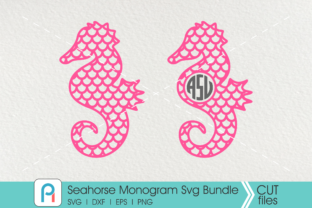
The moment you load the design files into your software, the Seahorse Monogram strikes a balance between whimsical charm and structural integrity. Unlike many trendy graphics that rely on excessive detail which often gets lost in embroidery, this design feels purposeful. The silhouette of the seahorse is clean, with curves that suggest movement without requiring impossible stitch counts. It creates an immediate mood of nautical adventure and soft playfulness, making it perfect for nursery decor or summer-themed apparel.
In terms of layout, the integration of the monogram element feels organic rather than forced. The shape allows for creative interpretation, whether you are using a single-color satin stitch for a crisp logo look or layering colors for a more painterly effect. For designers looking for design assets that convey a specific vibe without needing hours of editing, this is a strong contender. It feels like a design that belongs in a high-end handmade shop, instantly elevating a simple tote bag or a plain onesie into something special.
Real-Life Scenario: The Custom Baby Gift Project
Let me take you through a scenario where I recently tested a similar concept for a client project. A small business owner needed a custom embroidered gift for a baby shower themed around ocean adventures. She wanted something unique that wouldn't look like every other generic "sea creature" item found online. This is exactly where the Seahorse Monogram shines.
I visualized placing the design on a soft, cream-colored muslin baby blanket. The curve of the seahorse would wrap gently around the corner of the blanket, while the monogram text sat nestled within the tail. In my mind, the final product looked professional and cohesive. However, vision is one thing; execution is another. When I simulated the stitching process, I had to consider how the stitch density would interact with the plush texture of the blanket. If the density was too high, the fabric would pucker. If it was too low, the definition of the seahorse would vanish into the fibers.
This design works exceptionally well for personalized gifts because the monogram aspect invites customization. Whether it is a family initial or a child's name, the Seahorse Monogram provides a frame that feels intentional. It transforms a standard craft project into a bespoke item that customers can justify paying a premium price for. It is not just a sticker slapped onto a shirt; it is a thoughtful design choice that adds value to the handmade product.
Performance Across Different Projects and Fabrics
The versatility of this embroidery file depends heavily on where you choose to apply it. For custom apparel like sweatshirts and t-shirts, the design holds up beautifully due to its balanced proportions. The curves flow naturally with the drape of cotton blends, creating a comfortable wear experience that doesn't stiffen the garment. I also see great potential here for tote bag designs. The durability required for a canvas bag matches the robust nature of this vector graphic, ensuring that the design remains legible even after heavy use.
However, there are specific areas where caution is advised. When considering embroidered patches or items made from textured fabrics like corduroy or boucle, the fine details of the monogram might get obscured. Similarly, if you are working with stretchy fabrics like jersey knits, the stability of the design becomes critical. Without proper stabilization techniques, the tension of the satin stitch could cause the fabric to warp, ruining the symmetry of the seahorse shape.
For commercial embroidery projects involving caps or hats, the curved surface presents a challenge. While the Seahorse Monogram is dynamic, tight lettering or intricate corners might distort when pulled over a curved brim. In these cases, testing on a scrap piece of the actual hat material is non-negotiable. You must ensure that the hoop size accommodates the curve without cutting off any essential parts of the design. The same logic applies to dark fabrics; if the thread count is insufficient, the seahorse may appear muddy against a navy or black background.
Strategic Considerations for Small Business Owners
If you are an Etsy seller or running a small shop product line, the aesthetic consistency of your brand matters immensely. The Seahorse Monogram offers a distinct visual identity that can help your brand stand out in a crowded marketplace. It signals attention to detail and a commitment to quality, which builds trust with buyers. When customers see a professionally executed design, they assume the rest of the product is equally high-quality.
Furthermore, this design serves as an excellent tool for printable mockups. Before you invest time in stitching dozens of samples, you can use the provided vector files to create realistic previews of your finished goods. This allows you to test different color combinations and placements digitally, saving you money on materials and thread. It is a smart workflow for any creative entrepreneur looking to streamline their production process.
However, remember that the visual appeal of the final product relies on your technical choices. The thread colors you select can make or break the design. High contrast is usually safe, but subtle tonal variations can add a sophisticated touch if the stitch density allows. Always inspect small details closely, especially the inner curves of the seahorse, to ensure they are not filling in unintentionally during the stitching process.
Essential Designer Notes for Success
- Test on Scrap Fabric: Never run a new design directly onto a customer's item. Use scrap fabric that matches the weight and texture of your final product to check for puckering or distortion.
- Check Stabilizer Requirements: Depending on the fabric, you may need cut-away stabilizer for permanent support or tear-away for temporary backing. The right choice prevents the embroidery project from failing.
- Review Stitch Density: Look at the fill stitch areas in your digitizing software. If the design looks too dense, it might be difficult to stitch cleanly on thin fabrics.
- Verify Licensing: Before selling finished products or offering the design as a digital embroidery file, confirm the licensing terms included in the download package.
- Mockup in Black and White: Convert the design to grayscale to see if the contrast holds up. If it looks flat in black and white, it might struggle with certain thread colors.
The Seahorse Monogram is more than just a cute graphic; it is a functional tool for creators who want to elevate their work. By understanding its strengths and limitations, you can integrate it into your workflow with confidence. Whether you are crafting a holiday gift, preparing inventory for a craft fair, or launching a new collection of holiday embroidery items, this design offers a solid foundation for success. Just remember to respect the fabric, choose your threads wisely, and always test before you sell.
Ultimately, the goal is to create a finished product that makes the recipient smile and the buyer proud. With the right approach, the Seahorse Monogram can deliver exactly that, turning a simple piece of thread and fabric into a memorable keepsake. Happy stitching!