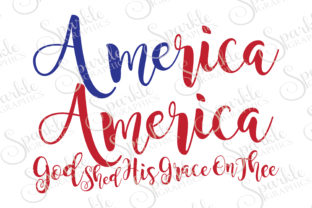
American Patriotic Cut File: A Designer's Real-World Review
As someone who has spent years reviewing embroidery files and managing a small handmade shop, I have learned that the difference between a project that sells out and one that gathers dust often comes down to design integrity. When I first opened the folder for the American Patriotic Cut File, my initial reaction was less about the patriotic theme itself and more about how it translates from a digital graphic to a physical stitched object. In the world of machine embroidery, a file is only as good as its execution on fabric, and this embroidery file presents an interesting case study for crafters looking to elevate their output.
The First Impression: Mood and Visual Personality
The moment you load the design into your software, the mood is clear. It carries a strong sense of tradition and pride without feeling overly cluttered. For a designer evaluating this for client work, the layout strikes a balance between bold statement and wearable subtlety. The shapes are clean enough to stitch clearly even on smaller projects, yet detailed enough to hold attention when viewed up close. This is crucial because in the realm of custom apparel, customers often judge quality by the crispness of the edges and the density of the stitches.
Unlike many generic patriotic designs that rely heavily on text or overly complex imagery that can blur during stitching, this American Patriotic Cut File feels grounded. It suggests a finished product that looks professional rather than like a quick weekend hack. Whether you are planning a holiday gift, a boutique product line, or a personalized gift for a family member, the visual personality here aligns well with brands that value heritage and craftsmanship. It creates an immediate connection with buyers who appreciate American-made aesthetics, making it a versatile asset for any craft business.
Real-World Application: From Digital to Stitch
To truly understand the potential of this design, let us look at a specific scenario. Imagine you are preparing for the upcoming summer season and need to create a collection of custom embroidered tote bags for a local farmers market. You want something that resonates with the community but stands out on a crowded table. Using the American Patriotic Cut File on a heavy canvas tote bag offers a compelling option. The design fits perfectly in the center panel, allowing the texture of the canvas to complement the thread.
In this context, the design functions beautifully as a focal point. However, if you were to attempt the same design on a baby onesie, the approach changes. The stitch density becomes a critical factor. While the file might be perfect for a sturdy apron or a sweatshirt embroidery project, applying it to delicate baby embroidery requires careful consideration of the underlay and tension settings. I recently tested a similar patriotic motif on a soft cotton jersey, and while the result was charming, the fabric stretched slightly around the dense fill areas, requiring a stabilizer that offered more support than usual.
This versatility makes the American Patriotic Cut File valuable for Etsy sellers and small shop owners who need a single design to adapt across multiple product types. You could use it for holiday embroidery on kitchen towels, create matching sets for nursery decor, or even produce limited edition patches for denim jackets. The ability to scale the design while maintaining its visual appeal is what separates a good digital asset from a great one. When used correctly, it enhances the perceived value of the handmade product, signaling to the customer that care and precision went into every stitch.
Navigating Potential Pitfalls and Fabric Choices
Despite its strengths, no design is universally perfect. There are specific situations where the American Patriotic Cut File requires caution. If you are working with textured fabrics like waffle weaves or bouclé, the definition of the design may get lost. Similarly, thin fabrics or stretchy materials can distort the geometry of the embroidery, especially if the design includes tight corners or intricate details. For these applications, using a high-quality cutaway stabilizer is non-negotiable to maintain the shape of the finished product.
Curved surfaces, such as caps and hats, present another challenge. While the design is likely compatible with standard hoop sizes, the curvature of a cap can cause issues with thread breaks or puckering if the design is too large for the available space. I recommend testing the design on a scrap piece of the actual hat material before committing to a customer order. Additionally, dark fabrics require a higher contrast thread color palette. If the original design relies on light threads against a dark background, ensure you have enough coverage to prevent the fabric color from showing through, which can ruin the crispness of the satin stitch.
Another area to watch is the small lettering or tiny decorative accents within the file. In machine embroidery, fine lines often disappear or merge together if the hoop size is too small or if the thread count is insufficient. Before producing a bulk run for a commercial embroidery project, always inspect these details closely. If the design is intended for frequent washing, such as on work aprons or children's clothing, check the durability of the stitch density. Loose fills can snag easily, so reinforcing the edges or adjusting the fill stitch direction can significantly improve longevity.
Strategic Design Notes for the Professional Maker
For those of you running a digital product seller business or creating mockups for clients, understanding the limitations and strengths of the American Patriotic Cut File is essential for setting realistic expectations. Here are some practical steps to ensure success:
- Test on Scrap Fabric: Always run a test stitch on a scrap of the exact fabric you plan to use. This reveals how the thread colors interact with the material and helps you adjust tension before touching the final item.
- Check Thread Color Contrast: Use black and white mockups to verify that the design maintains its visual hierarchy. If the contrast is low, the design will look muddy once stitched.
- Review Stitch Density: Ensure the density is appropriate for the garment type. Heavy items like blankets can handle denser stitches, while lightweight tees need lighter, airy fills to avoid stiffness.
- Confirm Licensing Terms: Before selling finished items or offering the design as part of a bundle, double-check the license agreement included in the download. Some design assets are for personal use only, while others allow commercial production.
- Inspect Small Details: Zoom in on the SVG or DXF files to see if any tiny elements might not translate well to thread. Sometimes vector lines are too thin to be effective in embroidery.
By following these guidelines, you can transform the American Patriotic Cut File from a simple graphic into a premium embroidery project that builds trust with your audience. The goal is to create a personalized gift or boutique branding element that feels intentional and polished.
Final Thoughts on Value and Versatility
In conclusion, the American Patriotic Cut File offers a solid foundation for anyone looking to expand their catalog of Graphics and Crafts related products. Its strength lies in its adaptability; it works equally well as a standalone statement piece or as part of a larger themed collection. For the experienced designer, the key is not just in having the file, but in knowing how to manipulate it for different contexts—whether that means adding a border for a pillow cover or simplifying the layout for a baby item.
When you approach this design with a critical eye and a willingness to test, you unlock its full potential. It becomes more than just a patriotic symbol; it becomes a tool for building a brand, connecting with customers, and delivering high-quality handmade products. Whether you are an Etsy seller looking to boost your holiday sales or a hobbyist wanting to create a unique keepsake, this file provides the necessary structure to bring your creative vision to life. Just remember, the magic happens in the preparation, not just the printing or stitching.