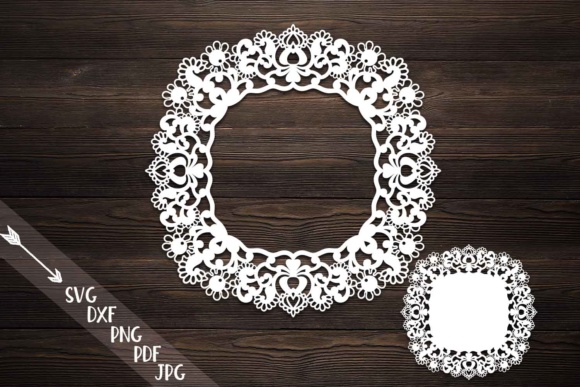
Doily, Lace, Monogram: A Designer's Real-World Review
I have spent years stitching custom pieces for clients, from high-end boutique branding to heartfelt baby gifts. When I first opened the folder for Doily, Lace, Monogram, my initial reaction was one of cautious optimism. In a market flooded with generic patterns, this design stands out because it feels like a tangible piece of fabric rather than just a digital vector. It captures that vintage, delicate aesthetic that never goes out of style, but the question remains: does it hold up under the needle in a real production environment?
The First Impression and Design Personality
The moment you unbox the files, the mood of the design becomes clear. This is not a bold, modern statement piece; it is an invitation to elegance. The intricate lacework surrounding the central monogram creates a sense of heritage and craftsmanship. Visually, it screams "heirloom quality." For a designer looking to elevate a simple product, this file offers a sophisticated upgrade without overwhelming the base material. The layout is balanced, leaving enough negative space around the letters to ensure they remain legible even after stitching.
It feels most at home in projects that require a touch of softness and tradition. Whether it is a wedding guest book cover or a nursery wall hanging, the design carries a weight of warmth that customers immediately recognize and appreciate. It bridges the gap between digital convenience and the tactile beauty of hand-stitched details.
Real-Life Application: The Custom Tote Bag Scenario
To truly understand how Doily, Lace, Monogram performs, I put it through a practical test scenario. Imagine you are preparing a batch of custom embroidered tote bags for a local craft fair. These bags are meant to be sold as premium gift items for mothers or bridesmaids. You select a sturdy canvas tote and decide to place the design on the front pocket area.
The result is striking. The lace pattern adds a layer of texture that makes the bag feel more expensive than its actual cost. When the machine stitches the satin edges of the doily, the thread catches the light, giving the flat canvas a three-dimensional quality. Customers handling the bag at the booth will notice the detail immediately. It transforms a standard utility item into a personalized accessory. The monogram itself anchors the design, making it perfect for names or initials, which increases the perceived value of the finished product.
This same logic applies to other items like aprons for kitchen classes or pillow covers for a boutique shop. The design works exceptionally well as a focal point where you want to draw the eye without cluttering the visual field. It is versatile enough to fit into various niches, from holiday gifts to everyday carry items.
Performance Across Different Projects
While the tote bag example highlights its strength, Doily, Lace, Monogram shines in several other specific applications. For custom apparel like sweatshirts or t-shirts, the design adds a refined touch that elevates basic garments. On baby embroidery projects, such as onesies or blankets, the delicate nature of the lace motif is particularly endearing, appealing to parents who want something gentle and classic.
In the realm of embroidered patches, this design can serve as a beautiful badge for jackets or backpacks. The detailed corners allow for a clean finish when cut out, provided you account for the edge trimming. For holiday embroidery, think of Christmas stockings or Easter baskets where the vintage style fits the seasonal theme perfectly. Even for commercial embroidery used in corporate gifting, the professional look ensures the brand appears established and trustworthy.
The included files, which contain SVG and DXF formats compatible with cutting software, offer an added layer of versatility. You can use these vectors to create applique bases or cut stabilizers before stitching, ensuring your final product looks crisp and precise. This dual capability makes it a valuable asset for any craft business owner looking to streamline their workflow.
Where Caution Is Required
No design is without its challenges, and Doily, Lace, Monogram has specific constraints that every designer must respect. If you attempt to stitch this on a small hoop size, you risk losing the integrity of the fine lace details. The tiny gaps in the pattern may fill in if the stitch density is too high or if the fabric is too tight. Always verify the recommended hoop size before starting.
Fabric choice is equally critical. Avoid using this design on thin, stretchy fabrics like jersey or loose-knit cotton without heavy-duty stabilizer. The tension required for the satin stitches could cause puckering or distortion, ruining the delicate lace effect. Similarly, on dark fabrics, the contrast might be lost unless you carefully select bright or metallic thread colors. If you plan to wash the finished item frequently, such as on a kitchen towel or a child's garment, ensure the design is dense enough to withstand abrasion, or consider reinforcing the edges.
Curved surfaces like caps present another hurdle. While possible, the complex geometry of the lace may not lay flat against a curved brim without significant reshaping during the process. It is best suited for flat or gently curved surfaces like tote bags, pillows, and flat apparel panels.
Impact on Visual Appeal and Brand Value
In the competitive world of handmade goods, presentation is everything. Using a design like Doily, Lace, Monogram signals to the buyer that you care about quality. The intricate details suggest that time and skill were invested in the creation, which builds customer trust. When a buyer sees a beautifully executed lace monogram, they are more likely to perceive the item as a premium personalized gift.
This design also enhances brand consistency. If you run an Etsy shop or a small boutique, maintaining a cohesive aesthetic is key. This file allows you to create a signature look across different products, from tags to packaging to the main merchandise. It helps in creating a recognizable identity that resonates with buyers looking for artisanal quality.
Furthermore, the design's versatility supports digital product sellers who might include mockups in their listings. High-quality images of this design stitched onto various backgrounds can significantly increase engagement and conversion rates. It serves as a powerful tool for showcasing what a finished product can look like, helping potential customers visualize their own customization.
Practical Designer Notes for Success
Before you commit this design to a large production run, there are essential steps to take. First and foremost, always test the design on scrap fabric that matches your intended project material. This allows you to check the stitch density and ensure that the running stitch and fill stitch elements align correctly. Pay close attention to the small details; sometimes, what looks good on screen can get lost in the thread.
Review your thread color contrast carefully. A monochrome test in black and white mockups can help you determine if the design retains its structure without relying on color. Check whether the design works for both personal and commercial projects by reviewing the licensing terms included in the download. Confirm that you have the right to sell finished items made with this file.
Finally, ensure you are using the proper stabilizer for your fabric type. The stability of the backing is crucial for maintaining the shape of the lace pattern. By following these guidelines, you can maximize the potential of Doily, Lace, Monogram and create stunning handmade products that stand out in any market.
Whether you are an experienced Etsy seller or a hobbyist maker, this design offers a blend of charm and functionality that is hard to beat. It is a testament to how a well-crafted embroidery file can transform a simple idea into a cherished keepsake.